Arboris Attends the Queensland–China Investment Roundtable and Engages with Queensland Investment and Economic Development Institutions
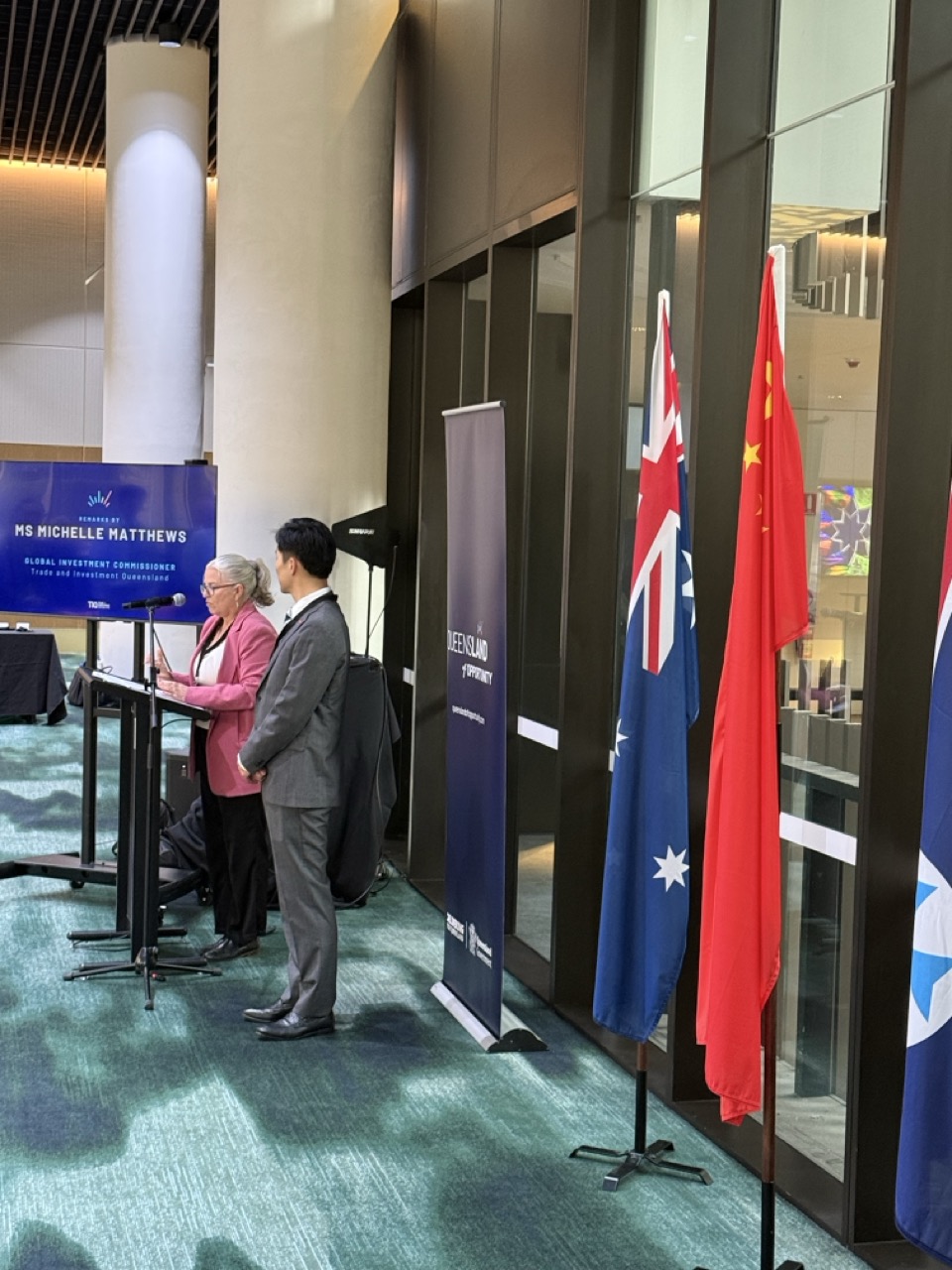
Michelle Matthews, Global Investment Commissioner, Global Investment Attraction, delivering remarks at the Queensland–China Investment Roundtable.
On 19 Mar 2026, Arboris Global Partners attended the Queensland–China Investment Roundtable in Brisbane and participated in the on-site discussions. The event brought together representatives from Queensland’s state-level investment promotion system, city economic development platform, and local development network around the themes of investment, regional development, and cross-border cooperation.
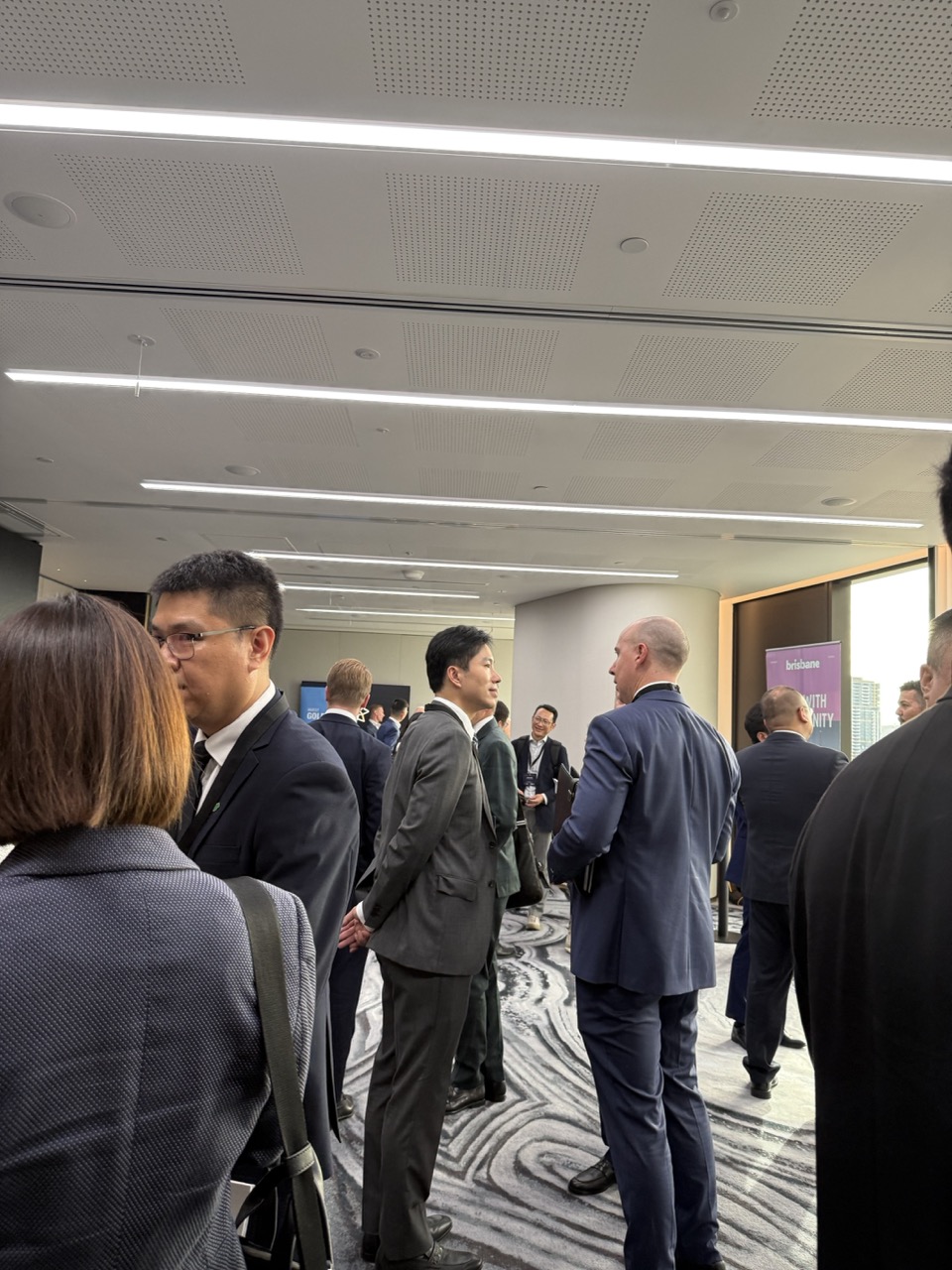
Scene from the Queensland–China Investment Roundtable
The discussion centred on Queensland’s current investment environment, industrial capabilities, and pathways for international engagement. Queensland’s engagement with China continues to span advanced manufacturing, energy, health, food and agribusiness, and education and training, while China remains the state’s largest trading partner. As a result, the roundtable was framed not as general networking, but as a more practical discussion on industrial coordination, investment landing, and future engagement pathways.
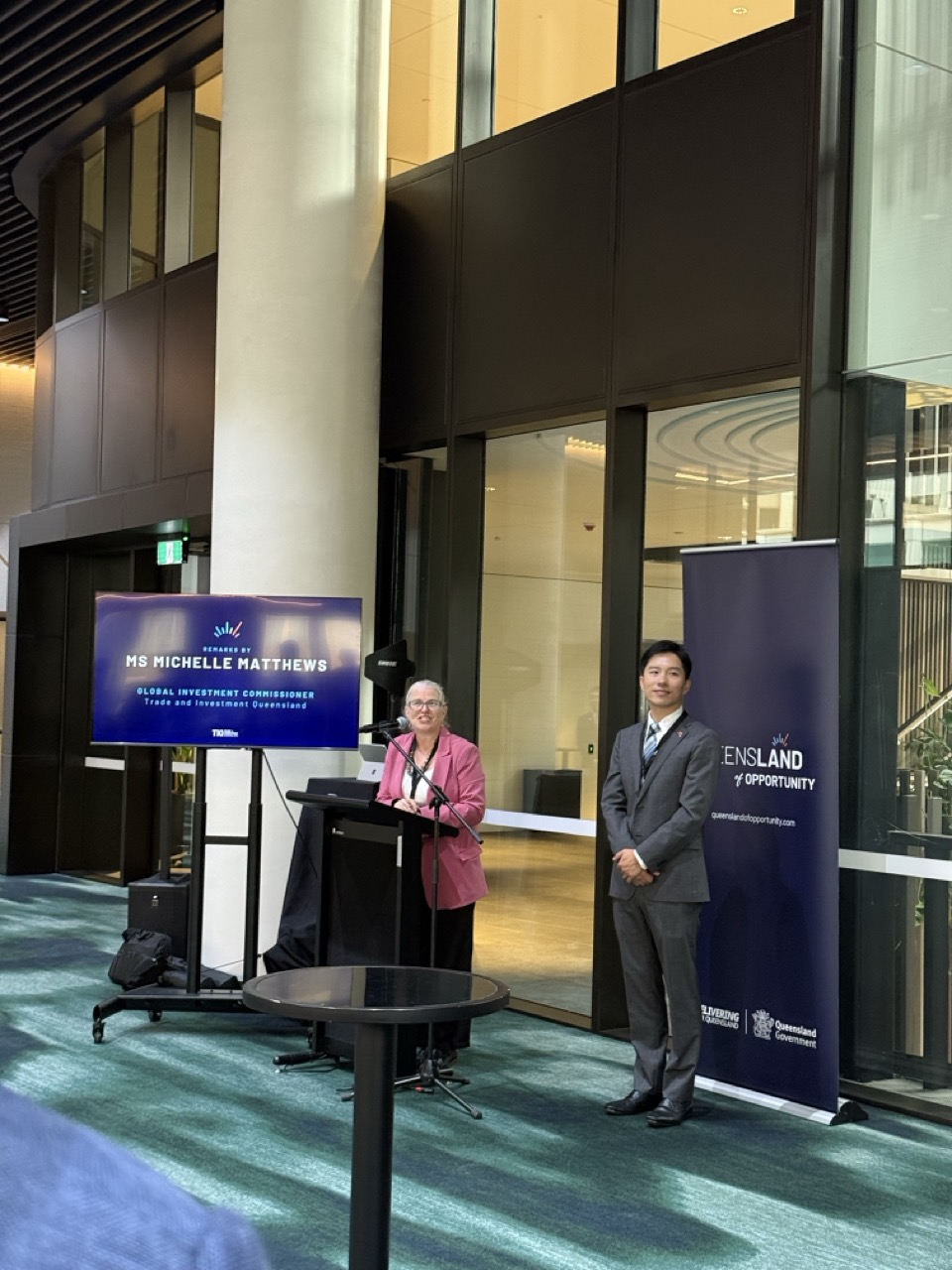
Michelle Matthews speaking at the event.
Michelle Matthews spoke and engaged with participants during the event. The discussion reflected Queensland’s broader investment and trade architecture, particularly the need for clearer pathways around project communication, industry matching, and cross-border connection at the state level. For international investment processes, the role of the state platform extends beyond outward representation to include practical interfaces for investment guidance, project filtering, and coordination across institutions.
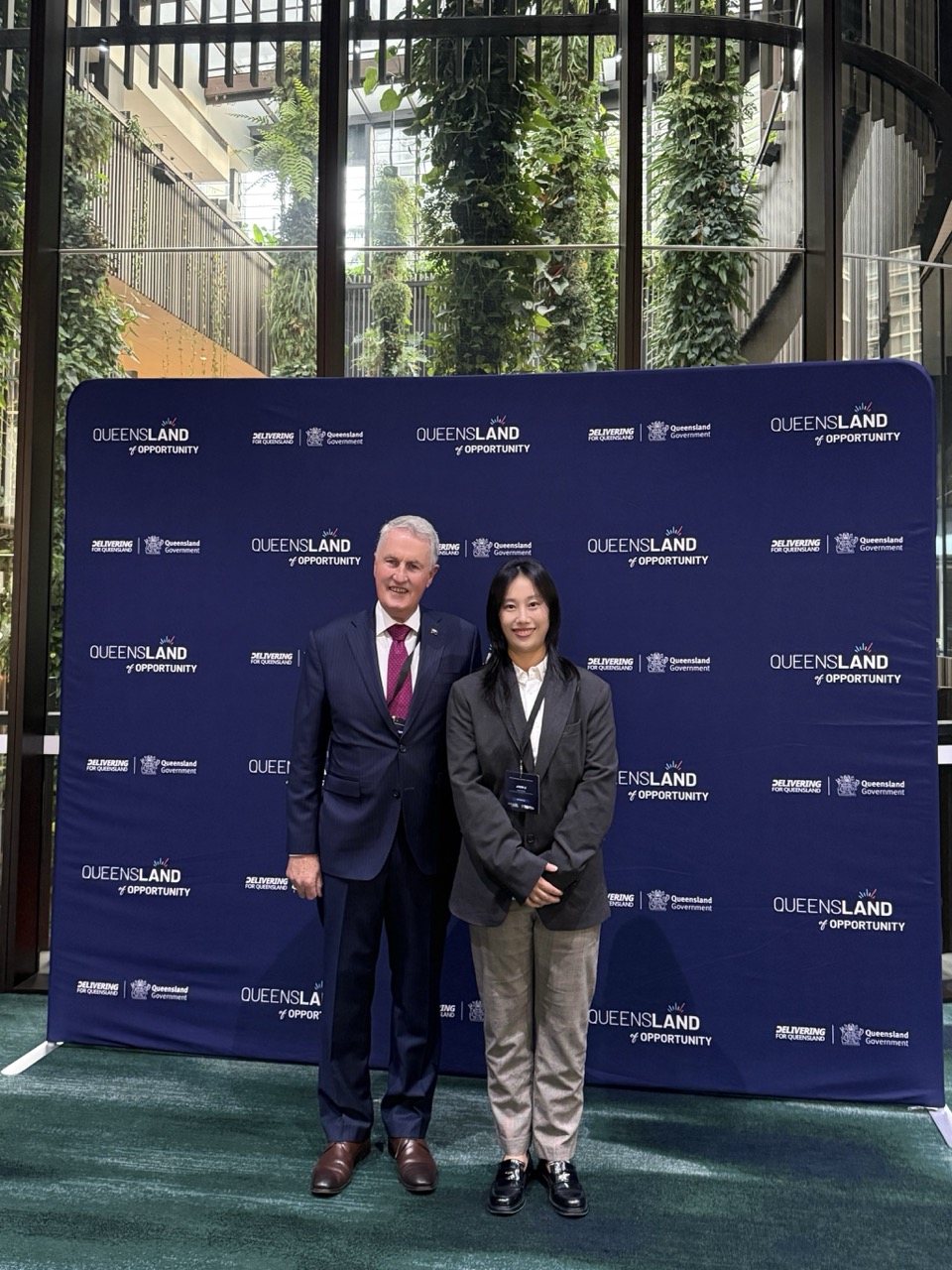
Jiaqin Li with Greg Williamson, Mayor of Mackay
During the exchange session, Jiaqin Li met representatives from several levels of Queensland’s economic development architecture, including Jay Fu from Trade and Investment Queensland, Michelle Wood from the Brisbane Economic Development Agency, Greg Williamson, Mayor of Mackay, and Cassidy Shorland from Logan’s economic development system. The composition of participants reflected the fact that Queensland’s external engagement model is not carried by a single institution, but by a layered structure involving state platforms, city-level economic development capability, and local government networks.
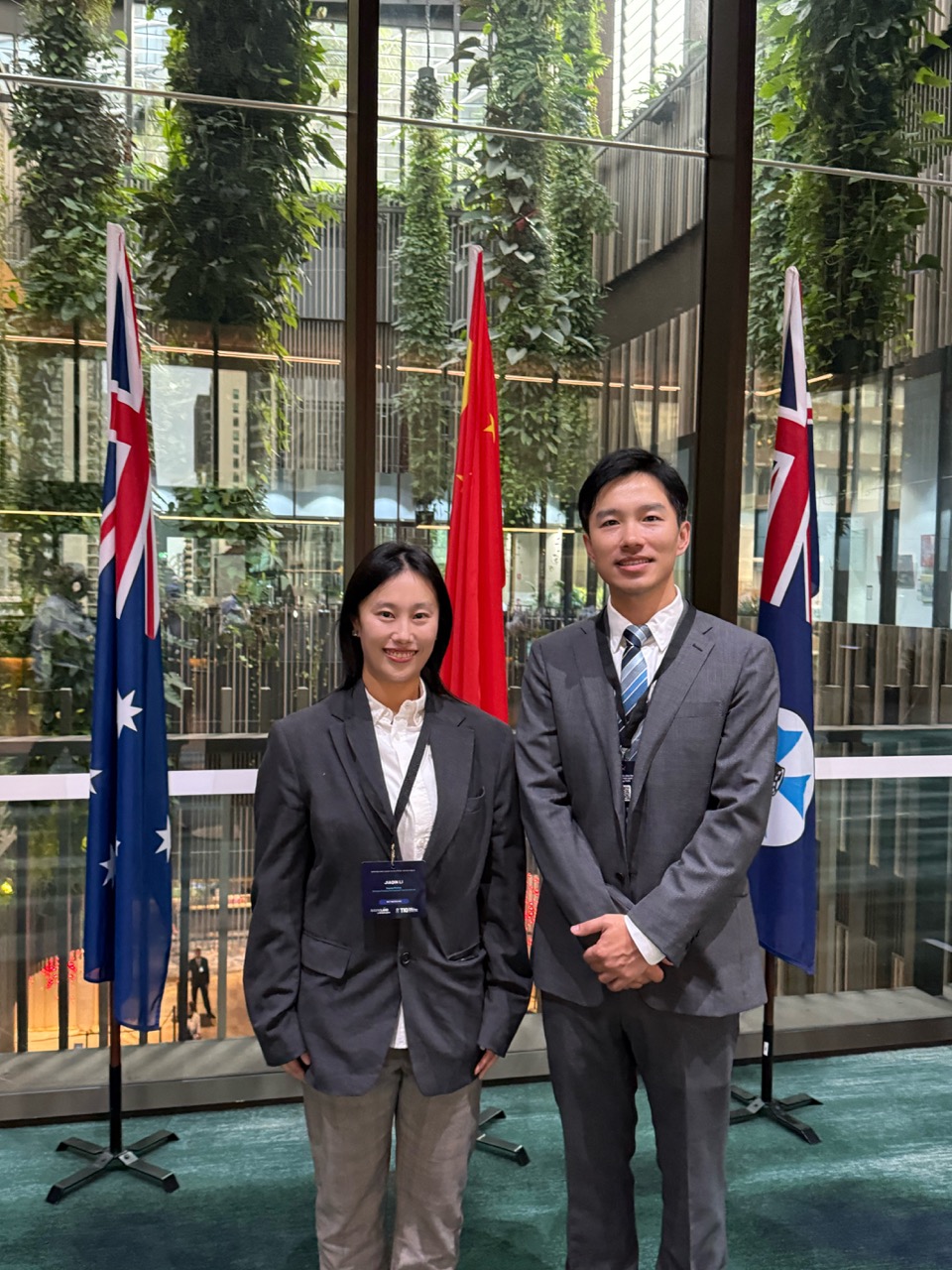
Jiaqin Li with Jay Fu, Senior Investment Advisor, Global Investment Attraction.
At the city level, Brisbane occupies a central position in Queensland’s outward investment and economic development framework. Brisbane Economic Development Agency drives the city’s economic growth and plays a combined role across investment attraction, business events, business growth support, and city positioning. Brisbane therefore functions not only as the state capital in a geographic sense, but also as a key platform connecting international capital, urban development, and industrial resources. In that respect, city-level capability has become an important component of Queensland’s broader investment architecture.
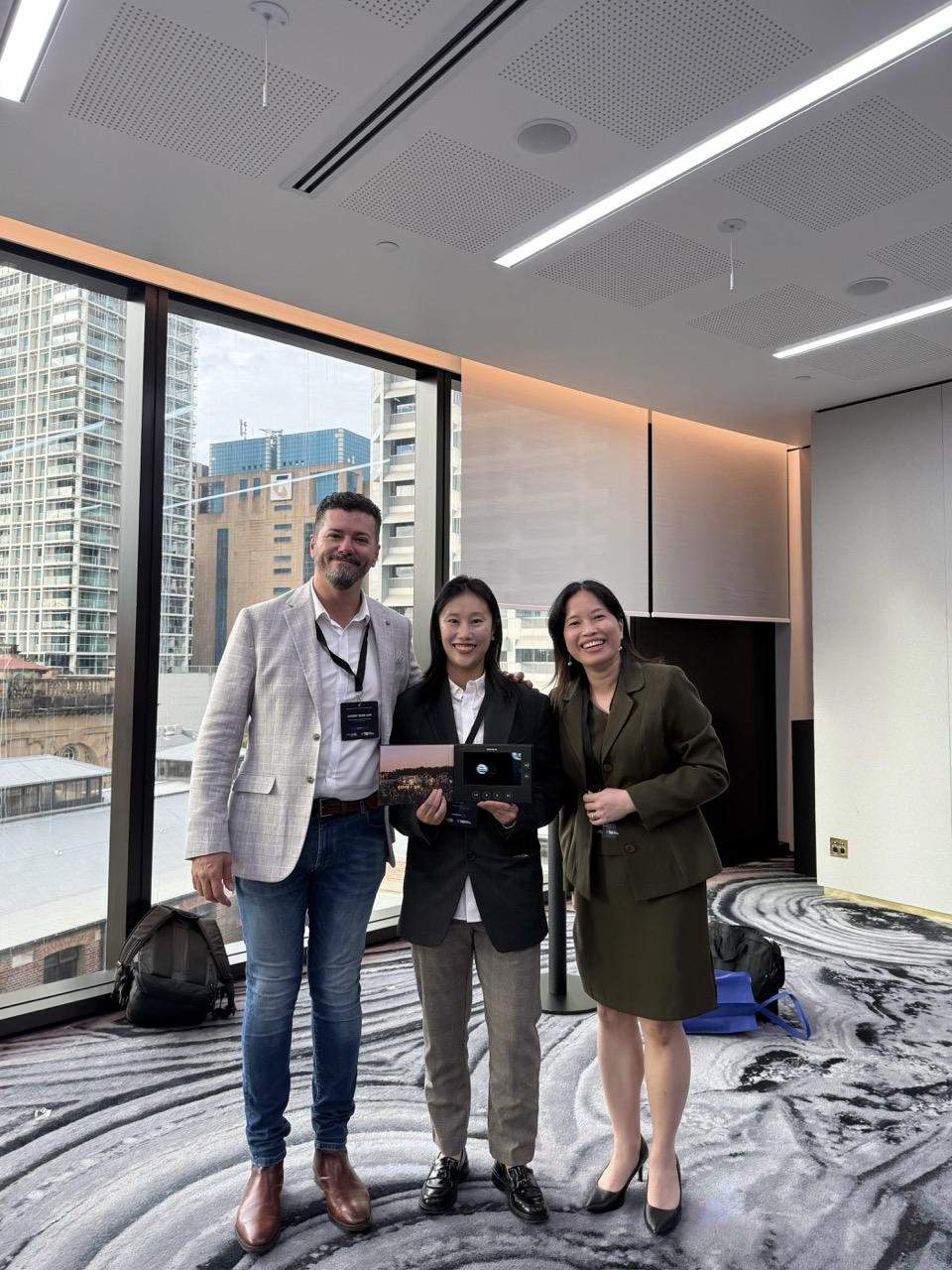
Jiaqin Li with Cassidy Shorland, Senior Business Development Executive, Logan Office of Economic Development.
At the regional level, local government and regional development representatives brought a more concrete perspective on industry absorption and project landing. Mackay continues to promote regional industrial capacity, resource advantages, and investment opportunities, while Logan’s development system is more directly oriented toward enterprise services, business attraction, and local growth. For cross-border institutions, participation at that regional level has practical significance because execution ultimately rests on identifiable places, sector settings, and institutional interfaces.
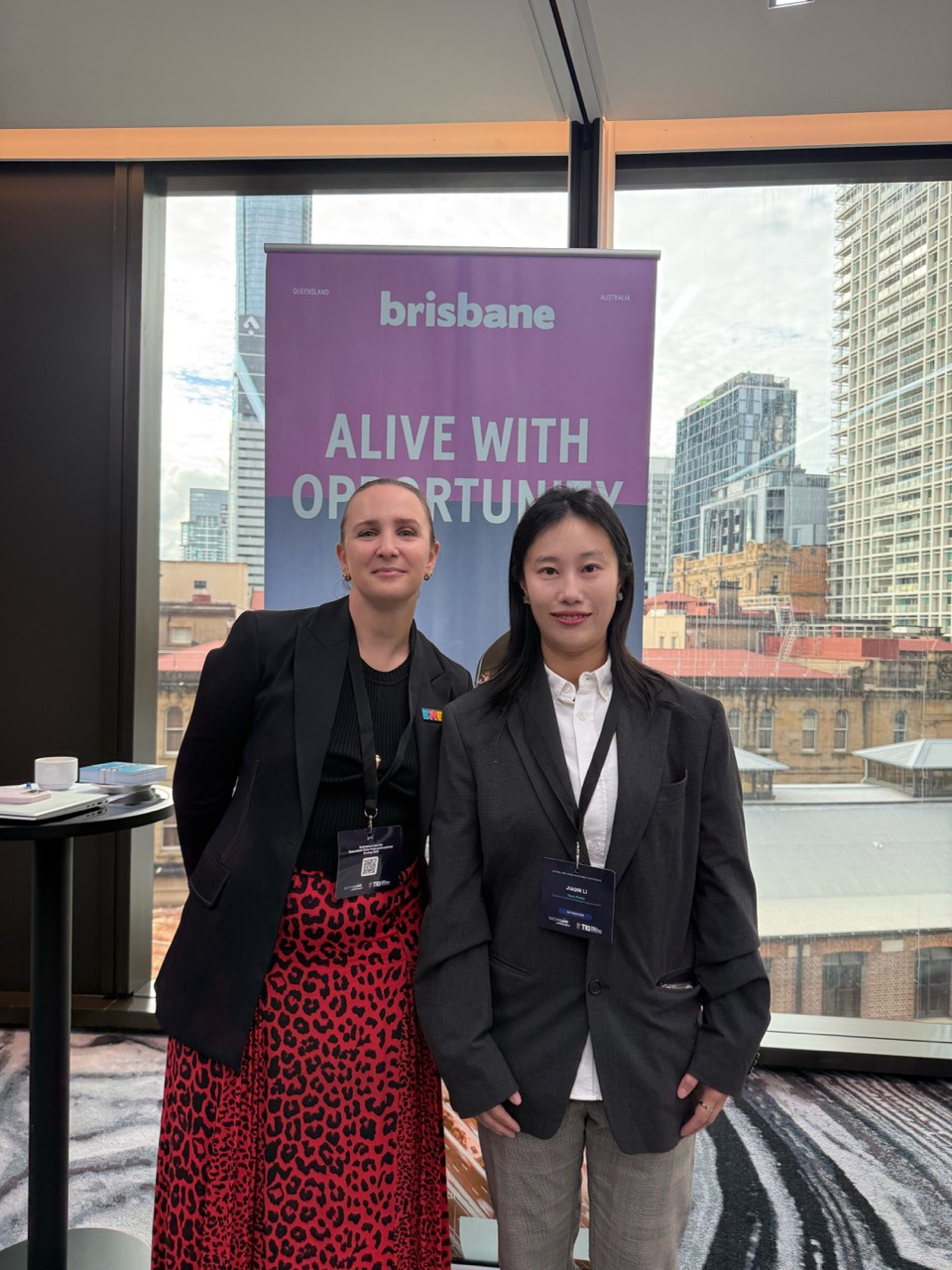
Jiaqin Li with Michelle Wood, Senior Manager, Investment, Brisbane Economic Development Agency.
What the roundtable ultimately brought into focus was not a single project pipeline, but the alignment between Queensland’s investment promotion architecture and the development capacity of its cities and regions. State-level institutions establish the international framework; city platforms provide more developed commercial and industry environments; and local governments connect that framework to concrete regional opportunities and implementation settings. For cross-border cooperation, the relevance of this structure lies in its ability to make regional differentiation, institutional interfaces, and execution conditions more legible.
At a broader level, cross-border engagement is increasingly defined not by the exchange of information alone, but by project executability, regional fit, and longer-term allocation logic. Queensland’s layered interface — spanning state investment agencies, Brisbane’s city platform, and local development networks — provides a clearer basis for that type of engagement. The central question is not simply where opportunity exists, but how opportunity is organised, received, and advanced across different institutional levels.
Arboris will continue to follow developments across Queensland’s investment environment, industry coordination, and cross-border engagement agenda, while remaining in dialogue with market participants at different levels in support of the firm’s ongoing assessment of cross-border collaboration, structured execution, and long-term value formation.
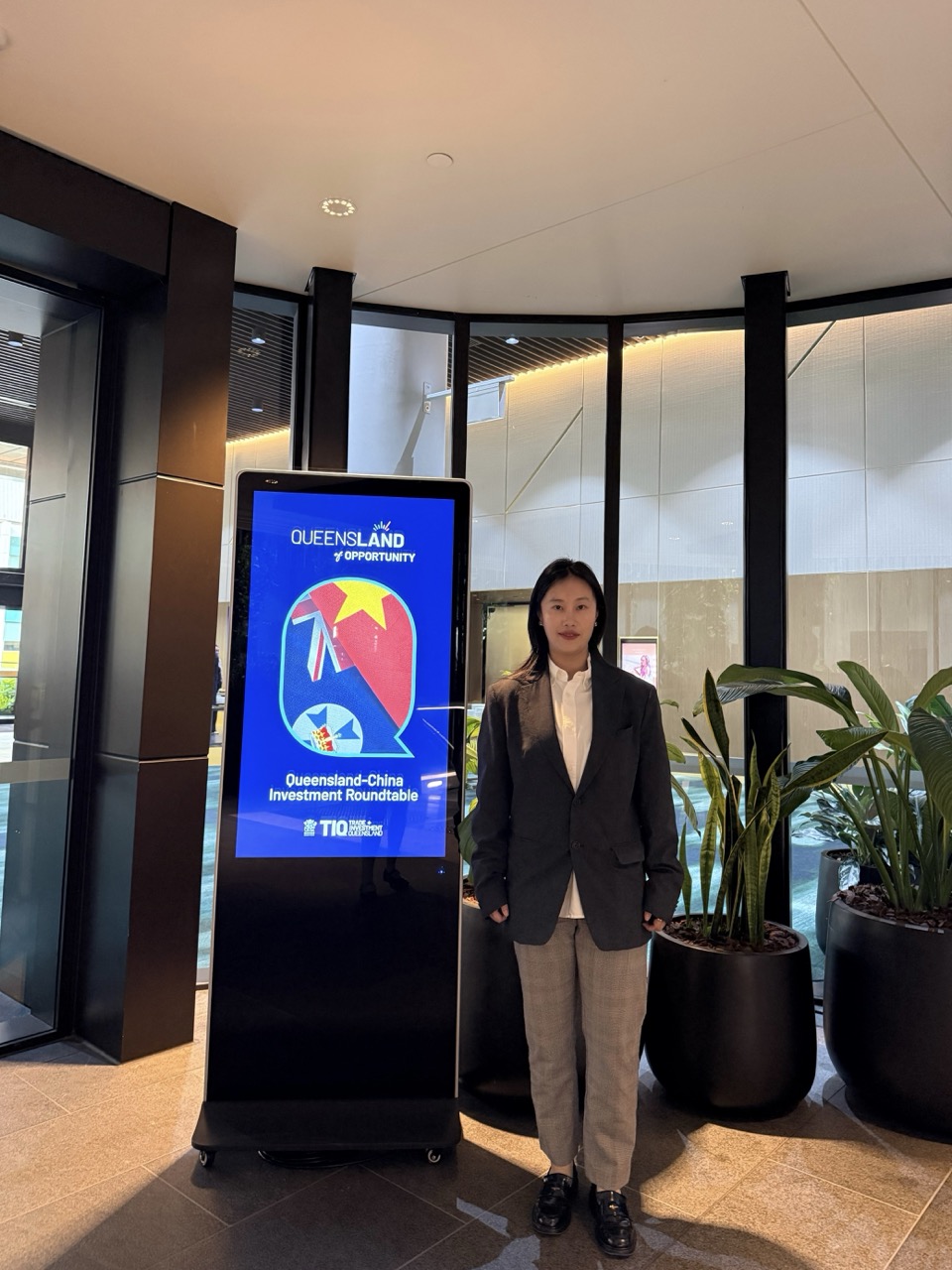
Scene from the Queensland–China Investment Roundtable
About Arboris
Arboris is a Singapore-headquartered capital strategy and advisory platform serving professional and institutional clients across wealth management, asset strategies, fund platforms, family-office governance, and capital structure and planning. The firm draws on experience in Australian real-estate credit and Asian secondary private markets, with an approach grounded in prudence, discipline, and trust.