Arboris Attends UNSW Engineering’s “AI Evolving” Forum, Examining AI’s Shift from Tool to Infrastructure
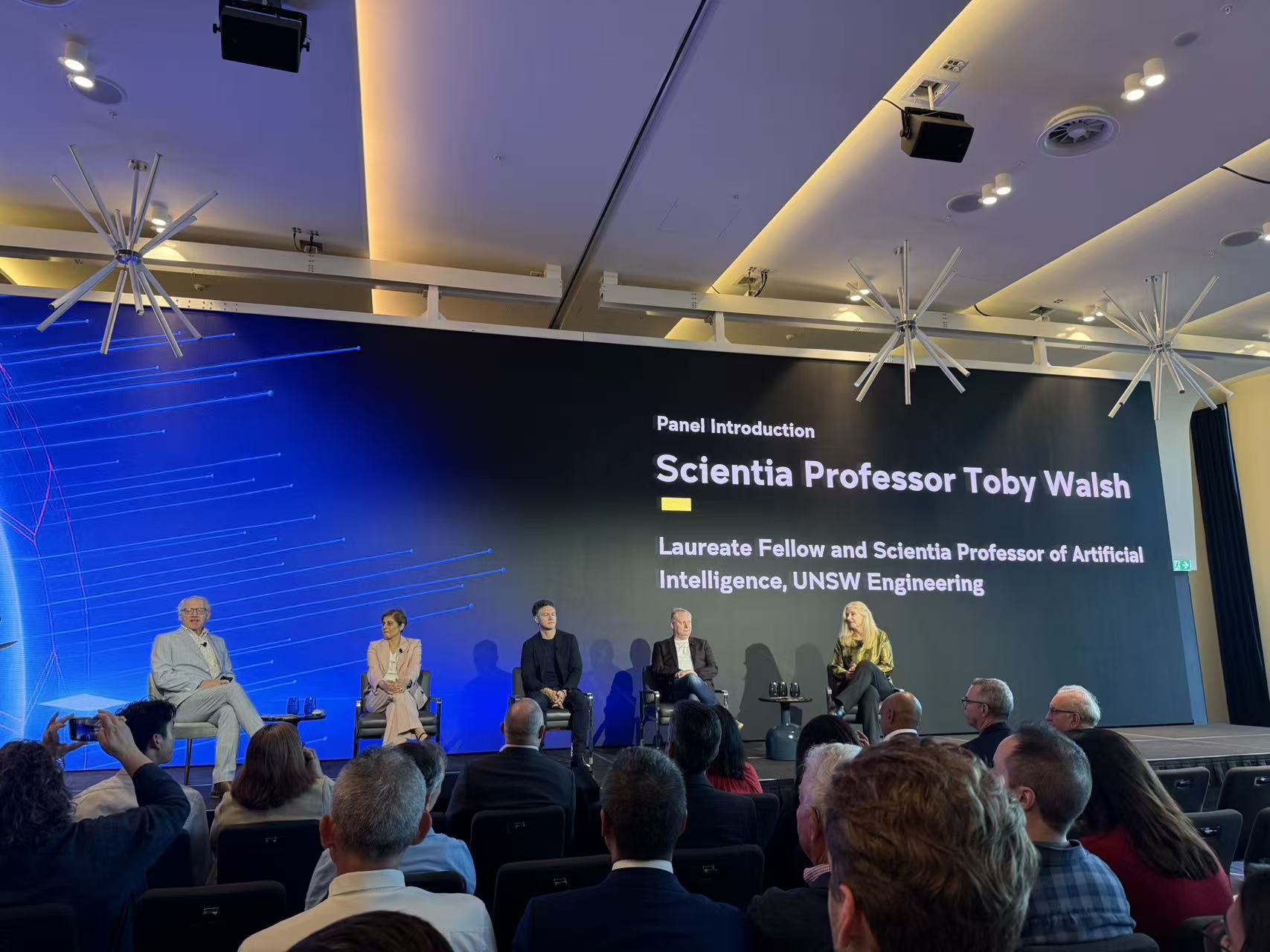
Panel discussion on the real-world integration of artificial intelligence across infrastructure, industry, and the economy.
On 1 April 2026, Arboris Global Partners attended “Engineering the Future: AI Evolving”, a panel discussion and networking reception hosted by UNSW Engineering at W Sydney. The event examined the next phase of artificial intelligence as it moves beyond experimentation and becomes integrated into infrastructure, organisations, workplaces and the wider economy.
The forum brought together perspectives from public-sector digital transformation, national AI policy, academic research, robotics and financial-services technology. Speakers included The Hon. Victor Michael Dominello, CEO of the Future Government Institute and former NSW Minister for Customer Service and Digital Government; Lee Hickin, Executive Director of the Australian National AI Centre; Sue Keay, Director of the UNSW AI Institute; Kavita Mistry, Chief Technology Officer at AMP Services Ltd; and UNSW Scientia Professor of AI Toby Walsh.
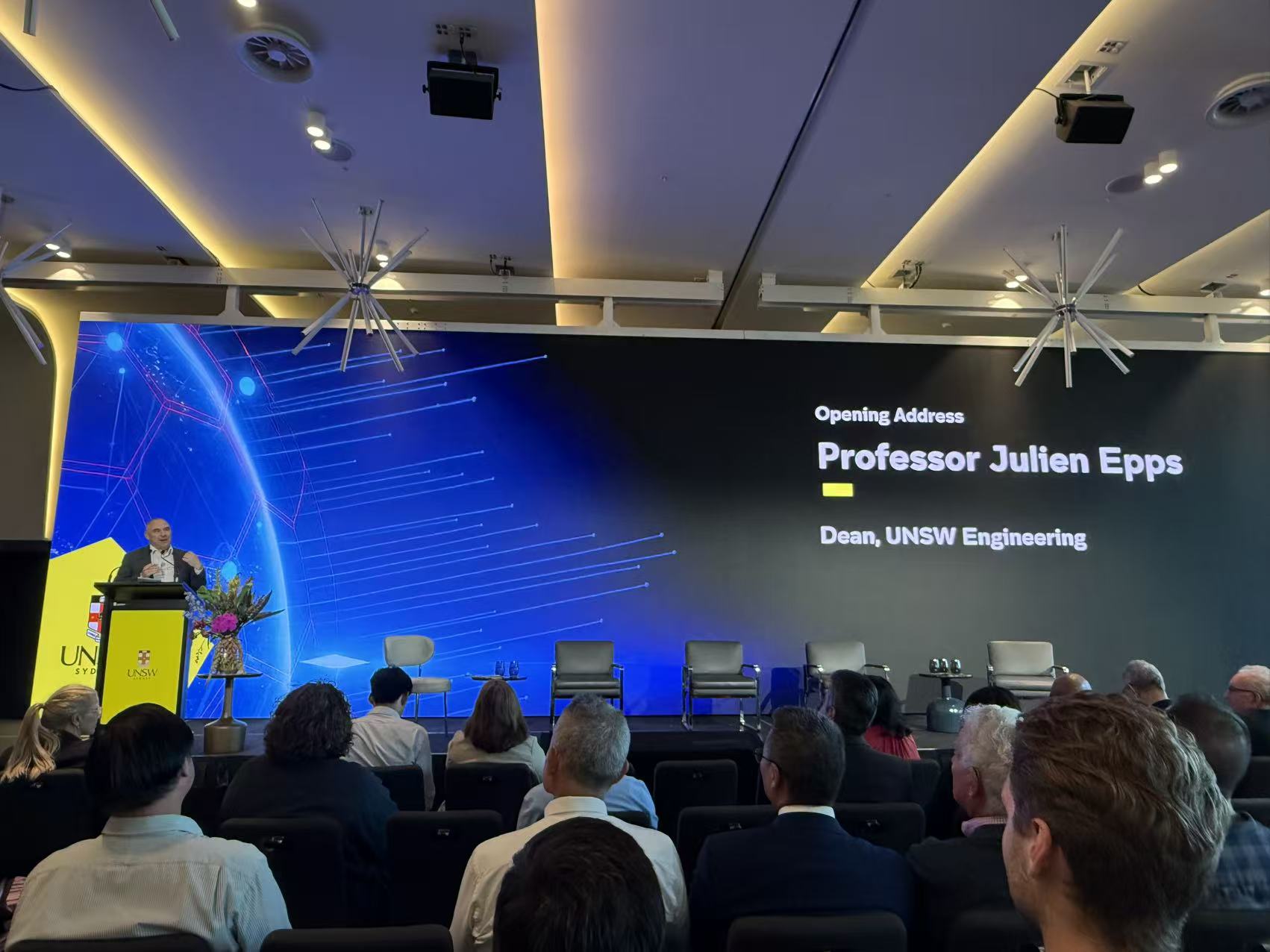
Opening address at the UNSW Engineering forum.
Discussions focused on the future real-world applications of AI, developments beyond the current generation of AI tools, and the potential impact of AI-driven infrastructure on productivity, employment and economic activity. The event placed particular emphasis on what happens when intelligent systems become embedded in areas such as transport, energy, supply chains, enterprise platforms and public services.
From Arboris’s perspective, the more consequential development is not AI as a standalone technology theme, but its gradual transition into operating infrastructure.
Once AI becomes part of institutional decision-making, customer platforms, industrial processes and financial systems, the quality of outcomes depends on more than model capability. Data integrity, cybersecurity, human oversight, regulatory accountability and integration with existing operating systems become fundamental components of the commercial and investment case.
This distinction is relevant to long-term capital allocation. A credible AI proposition must demonstrate more than technical novelty or rapid user adoption. It should provide evidence of measurable productivity gains, sustainable implementation costs, appropriate governance and a defensible path from experimentation to scaled economic value.
For investors and institutional decision-makers, this requires a broader due-diligence framework. Relevant considerations include the quality and ownership of data, the cost of computing infrastructure, energy requirements, implementation capability, regulatory exposure, cyber resilience and the extent to which the technology is embedded in an organisation’s core operations.
The composition of the forum also illustrated that successful AI adoption is not confined to technology teams. It requires coordination across engineering, policy, corporate management, workforce development and capital. The institutions best positioned to create durable value are likely to be those capable of combining technical capability with disciplined execution and clearly defined accountability.
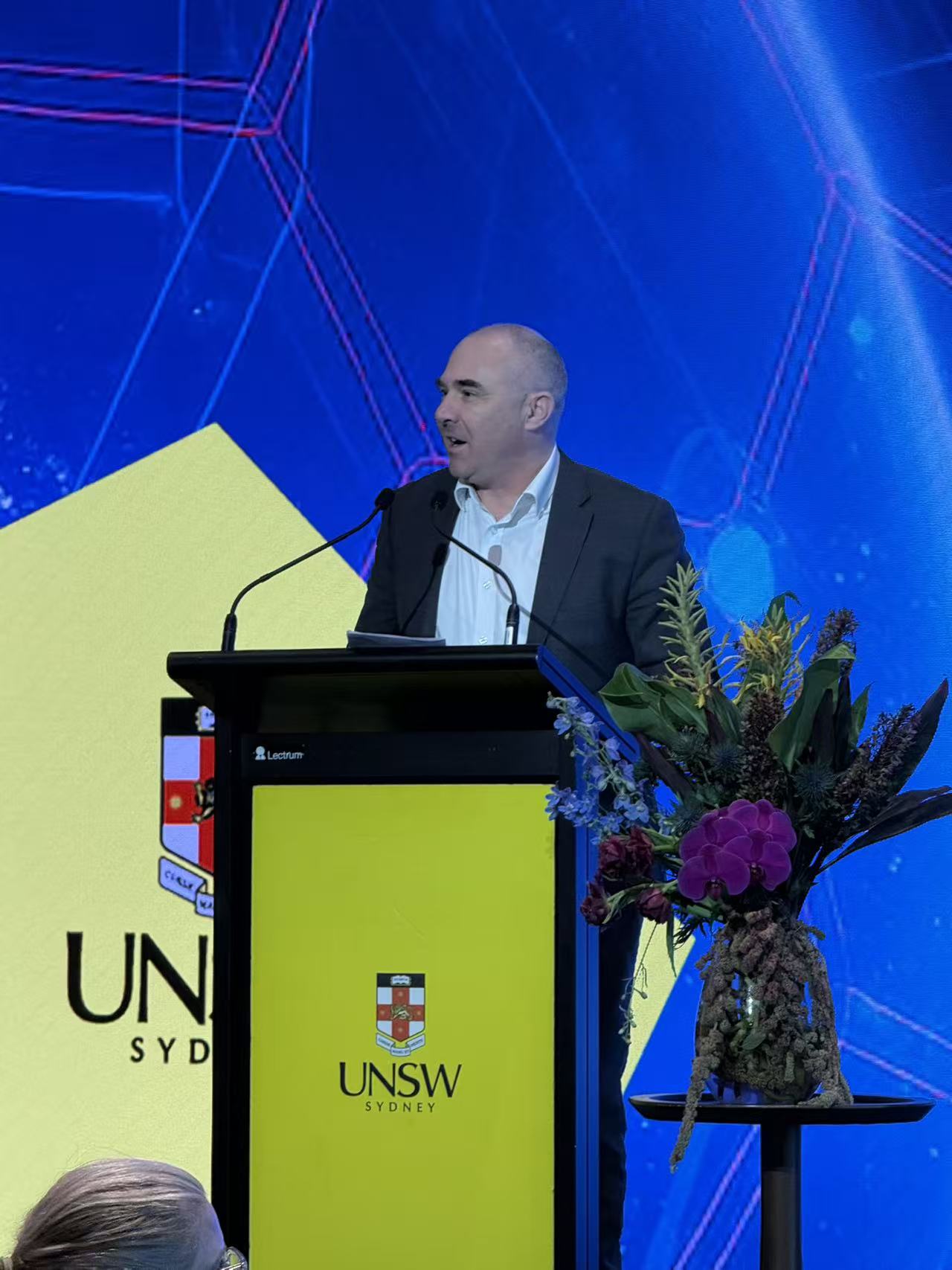
Scene from UNSW Engineering’s “Engineering the Future: AI Evolving” forum in Sydney.
Arboris will continue to monitor the development of AI-enabled infrastructure and its implications for institutional governance, operating models, risk management and long-term capital allocation across Australia and the wider Asia-Pacific region.
The firm’s focus remains on distinguishing durable structural developments from short-term market narratives and assessing how technological change can translate into measurable, governable and sustainable economic value.
About Arboris
Arboris is a Singapore-headquartered capital strategy and advisory platform serving professional and institutional clients across wealth management, asset strategies, fund platforms, family-office governance and capital structuring. Its approach is grounded in prudence, discipline and long-term trust.